

Choosing Photography for Species Signage Through the Lens of Animal Wellbeing
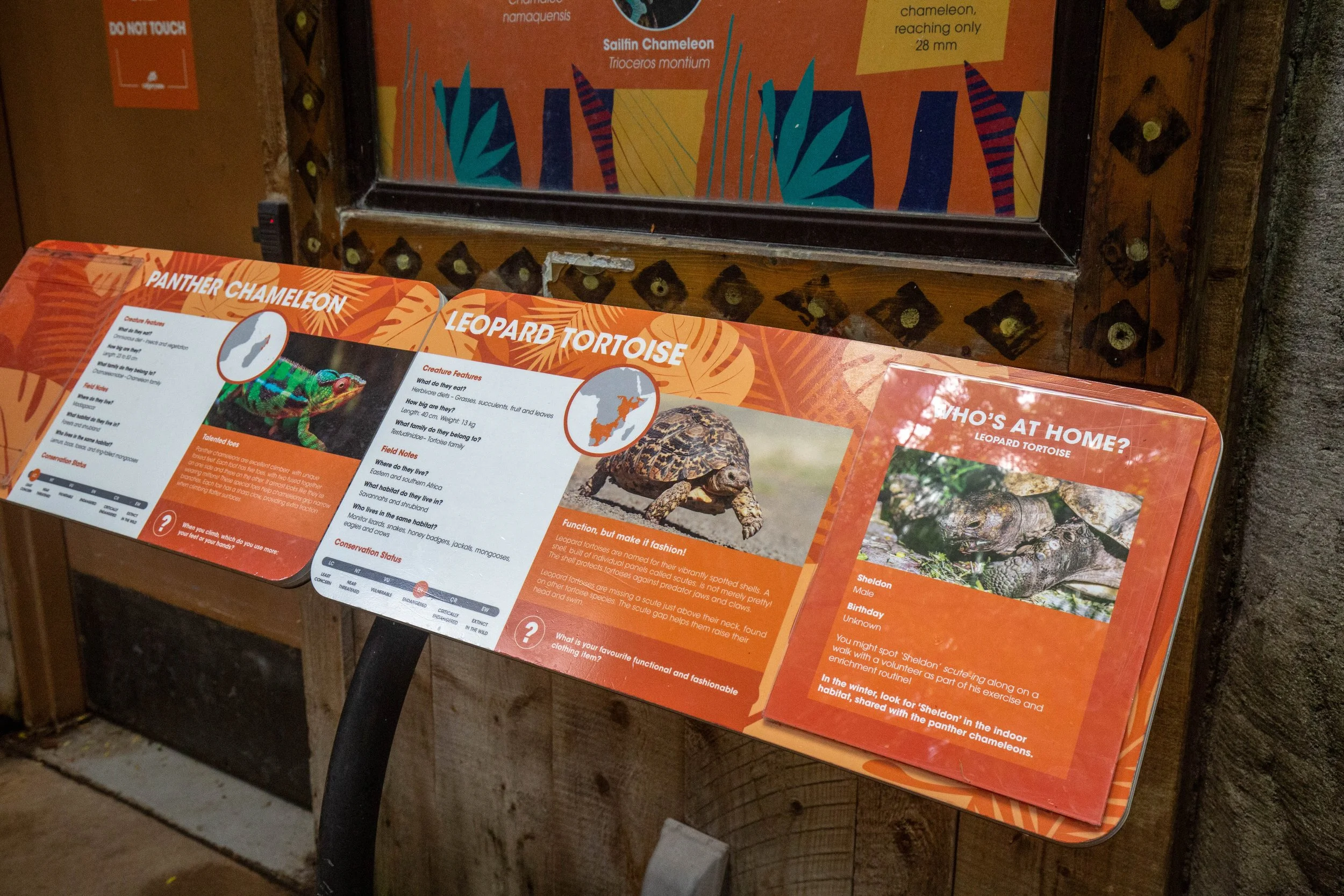
When creating species signage, the animal photo plays a key role. Not only does it help guests identify the species, but it also encourages them to understand, appreciate, and connect with the animal on a deeper level.
Choosing the right photo depends on several factors, such as the size of the sign, the overall feel of the space, whether there are other interpretive features or supporting signage, and if you’re highlighting the species or a special individual, like “Rosie the turtle.”
For this short article, we’ll focus on general species signage, particularly where there’s only space for one smaller sign per habitat. In these situations, each photo really has to shine and make the most of its impact.
Other than meeting technical requirements, such as high-resolution images, a great photo should identify the species, support the design, and deepen the connection with the audience. Through an AZA animal wellbeing lens, photography should support positive public perception by showing animals with dignity, context, and care.
For species signage, consider photography that:
Shows natural posture or behavior
A photo of an animal walking, climbing, swimming, resting, or interacting with its environment often tells a richer and more interesting story than a posed portrait. These moments help guests see the animal as active within their own world, with natural behaviors, preferences, and ways of moving through their environment. In some cases, a photo in which the animal makes eye contact with the camera can create an even stronger sense of connection and empathy, helping guests feel more personally engaged.
It’s also important to look out for any signs of stress or discomfort. If you’re not sure what a particular behavior means, check with the animal care team
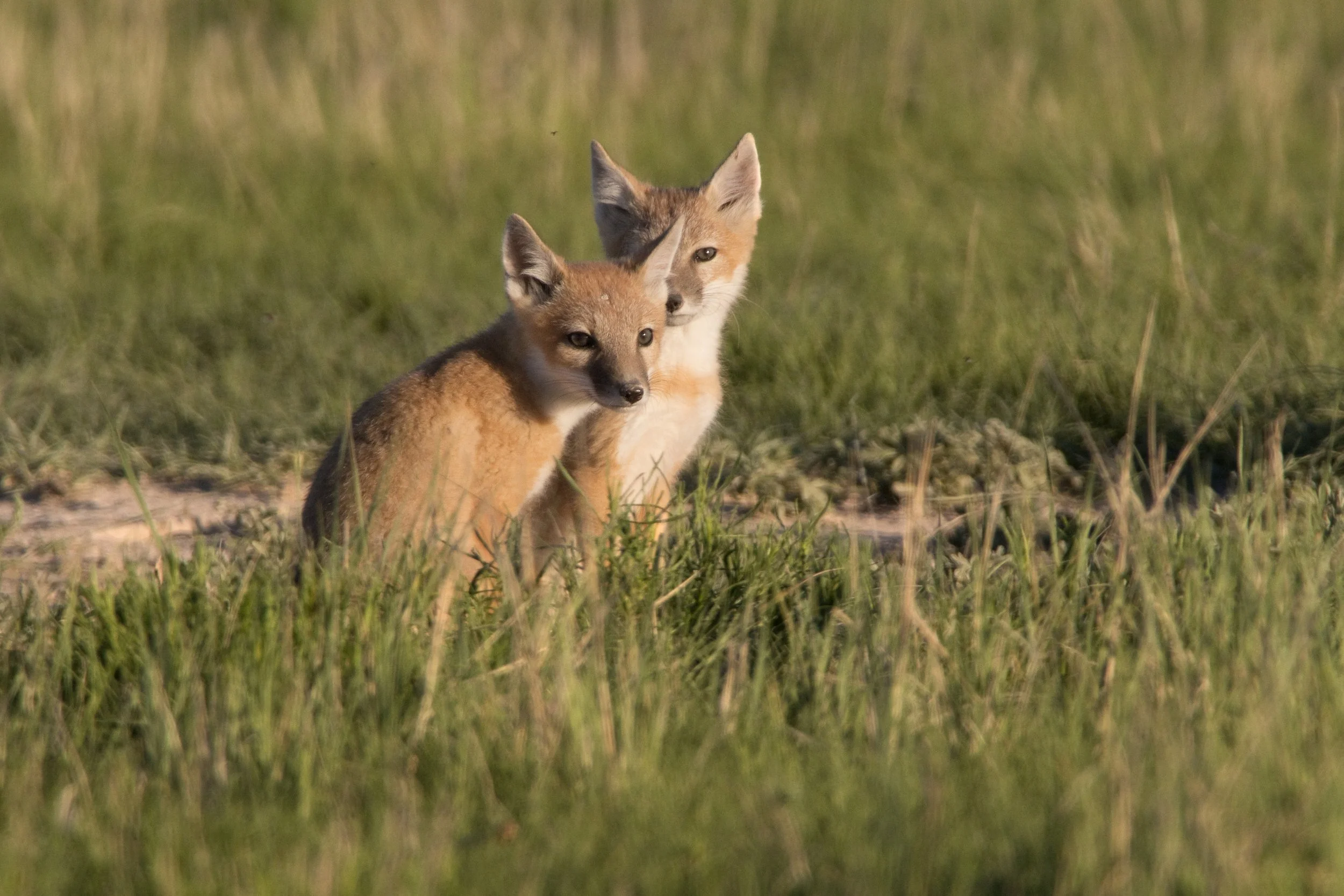
Image of two Swift Foxes in a field.
Include habitat context
When you only have space for one photo, it’s tempting to choose a close-up, dramatic shot. While those can be striking, try to include some of the animal’s habitat while keeping the animal’s features clear for identification. This can make the sign a much richer learning experience. Things like rocks, branches, water, foliage, or other features from their environment can help guests learn more about the animal.
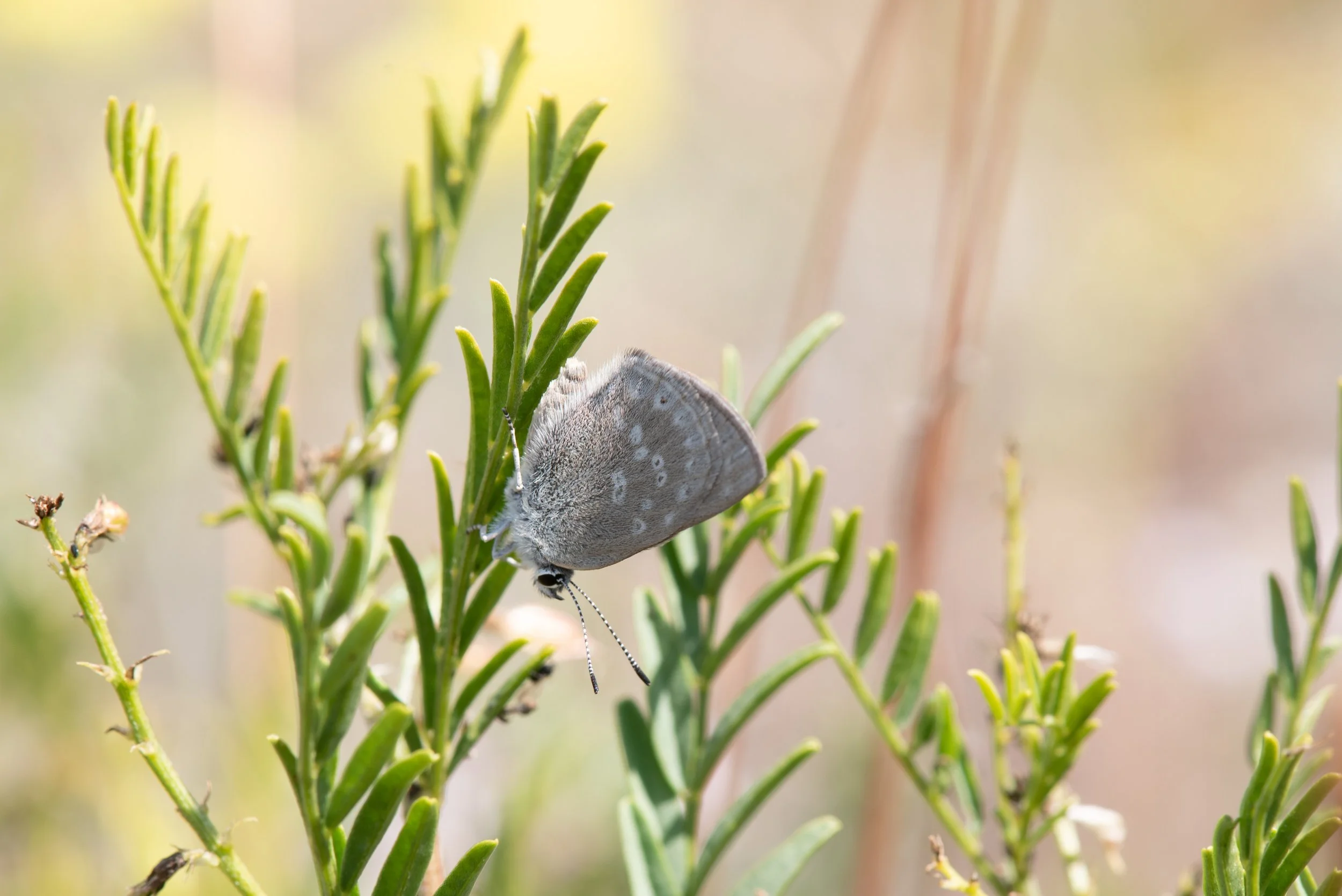
Image of a Curiously Isolated Hairstreak
Avoid “performance” cues
Photos where an animal looks like it’s posing for guests, begging, and performing can accidentally send the message that animals are here for our entertainment.
Respect the species’ reality
Animals don’t have to look dramatic, cute, fierce, or charismatic to be appreciated. A good species sign helps guests appreciate the animal for who it is, whether it’s quiet, nocturnal, shy, social, bold, slow-moving, or rarely seen. The aim isn’t to turn an animal into something it’s not, but to represent it in a way that feels true to its life and personality.
Next time you see a species sign, pause for a moment. What story does the photo tell? Do you feel a sense of connection with the photo?
The right photo does more than identify a species; it shares their story, encourages empathy, and helps guests feel a genuine connection to the world we’re all working to protect.
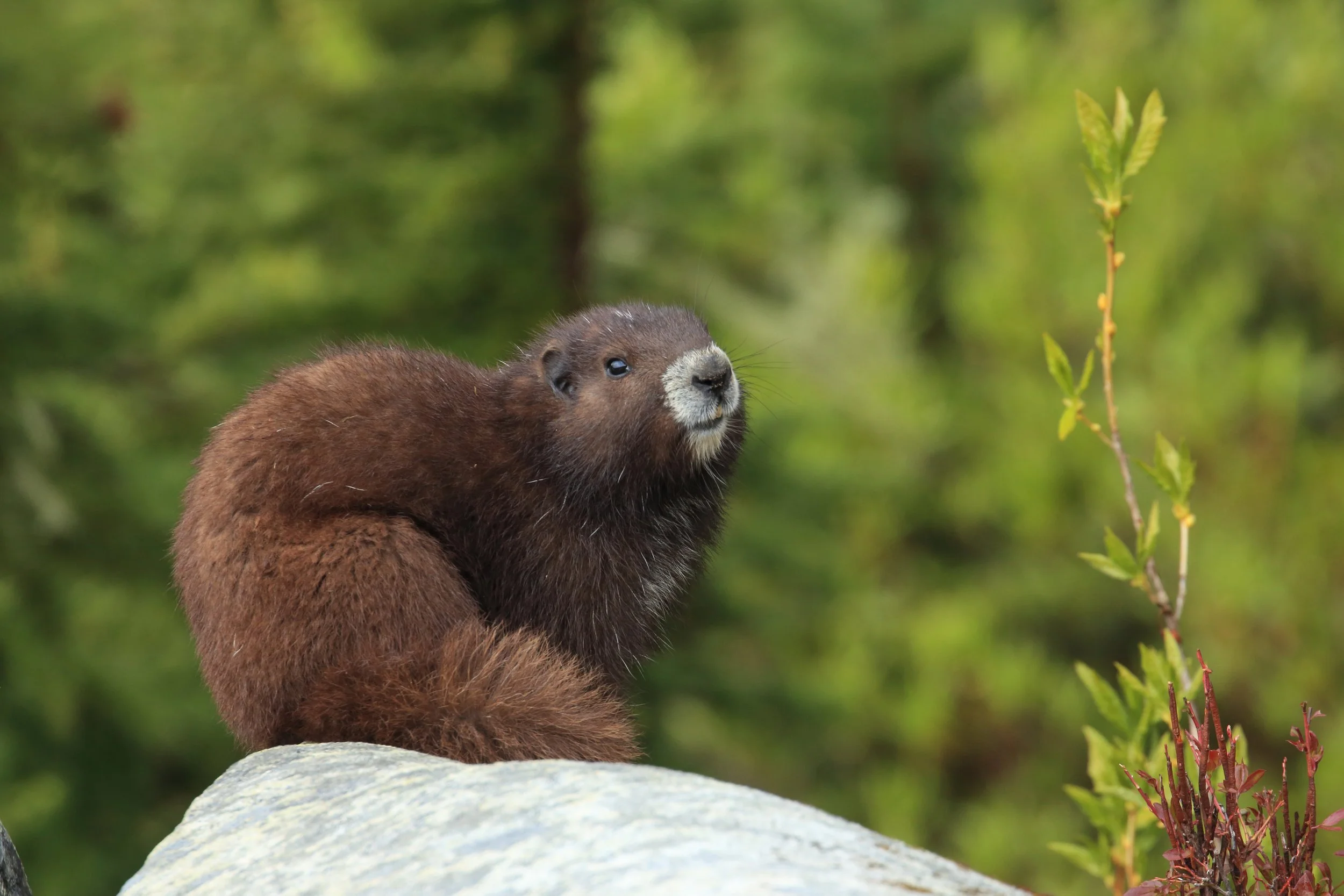
Image of a Vancouver Island Marmot
Thinking about refreshing your current species signs or planning something new?
At Wildhaus, we help zoos, aquariums, and conservation organizations design signage that does more than inform, it sparks curiosity, deepens connections, and supports animal wellbeing. Together, we can create memorable moments that move your mission forward.
Want to learn more? Reach out to us at hello@wearewildhaus.com.
