
An opinion on generative AI photo editing, animal individuality, and conservation storytelling.
It's becoming increasingly easy to say, "Just pop it into AI. That'll fix it."
Maybe the photograph isn't quite right. The animal is looking in the wrong direction, the composition feels awkward, or the lighting isn't ideal, and there's no opportunity to retake the photo. With AI photo editing tools, many of these challenges can now be addressed in seconds. For designers and marketing teams, that's an exciting development. But for zoos and aquariums, whose audiences often develop genuine emotional connections with the animals in their care, I wonder if it's really that simple. Because when the subject of a photograph is an animal that thousands of people have come to know and love, are we simply editing an image? Or could we be changing something more meaningful?
You might ask, "What's the difference between the results of generative AI photo editing and using Photoshop?" The difference is in the details. A skilled photo editor can reconstruct a scene, combine photographs, and carefully manipulate an image to create the perfect composition with consideration of what makes that animal special. With generative AI, however, we can ask a tool to make a specific adjustment without necessarily knowing every detail it might change along the way.
When the subject is a recognizable animal, one visitors have come to know and love, those details might matter more than we think.
Let Me Introduce You to Sam The Seal
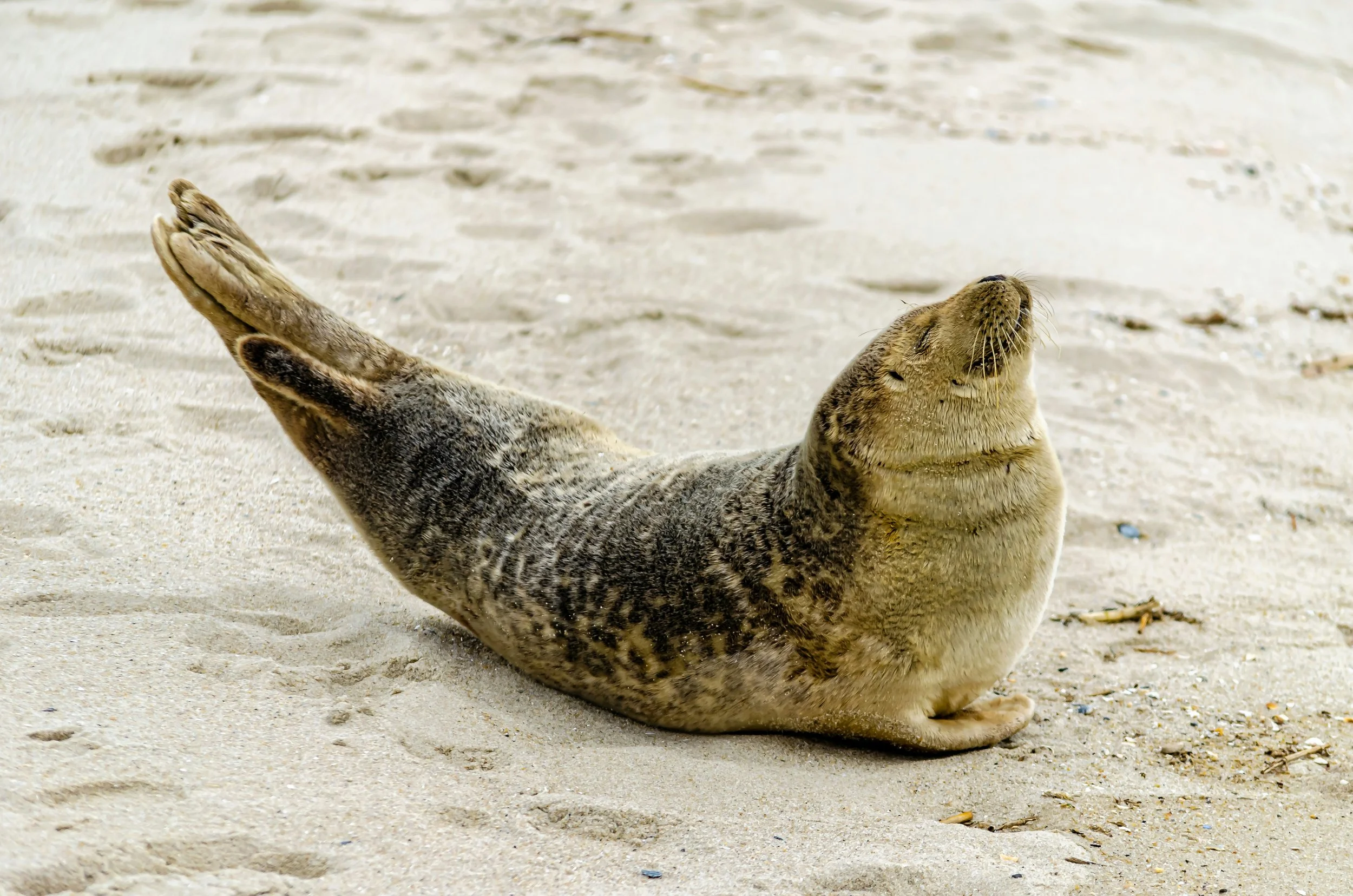
Imagine a little harbour seal named Sam. Sam is a young seal who finds himself in need of rehabilitation after being rescued along the coast. He's brought into the care of an aquarium, where animal care professionals begin the work of helping him recover. Naturally, Sam is adorable.
His story begins appearing on social media. Followers learn about his rescue, watch updates on his recovery, and get to know his personality. They see him enjoying enrichment activities, taking an afternoon nap in the sunshine, or diving beneath the surface of his rehabilitation pool. Perhaps visitors even have the opportunity to see Sam during their visit to the aquarium. Before long, Sam has developed a following of his own. People recognize his face, know his story, and look forward to hearing how he's doing. He's no longer just another harbour seal. He's Sam the seal.
But rehabilitation takes resources, and the aquarium needs additional support to continue providing his care. So the fundraising team puts together a direct mail campaign to help cover the costs of his rehabilitation.
When Sam's story arrives in the mail, people recognize him. They remember the little seal they've been following for weeks, the progress he's made, and the people working hard to give him another chance at life in the wild. They empathize with Sam, feel connected to his story, and now they have an opportunity to become part of it.
With the care and support he needs, Sam continues to recover until one day, he's ready to return to the ocean. His release becomes another exciting chapter in his story, shared with the community that has been cheering him on.
But Sam's story doesn't necessarily end there.
People begin keeping an eye out for him along the coast, hoping to catch a glimpse of the little seal they've come to know. Sightings are shared, updates continue appearing on social media, and Sam's journey becomes an opportunity to educate audiences about harbour seals, the challenges they face in the wild, and the importance of protecting our oceans.
What began as a story about one little seal has turned into something much bigger. People who connected with Sam through his rehabilitation have become more curious about his species, more aware of the challenges facing marine wildlife, and perhaps even advocates for ocean conservation.
And it all started with getting to know Sam.
But What If Sam Didn't Always Look Like Sam?
Now, let's revisit Sam's story.
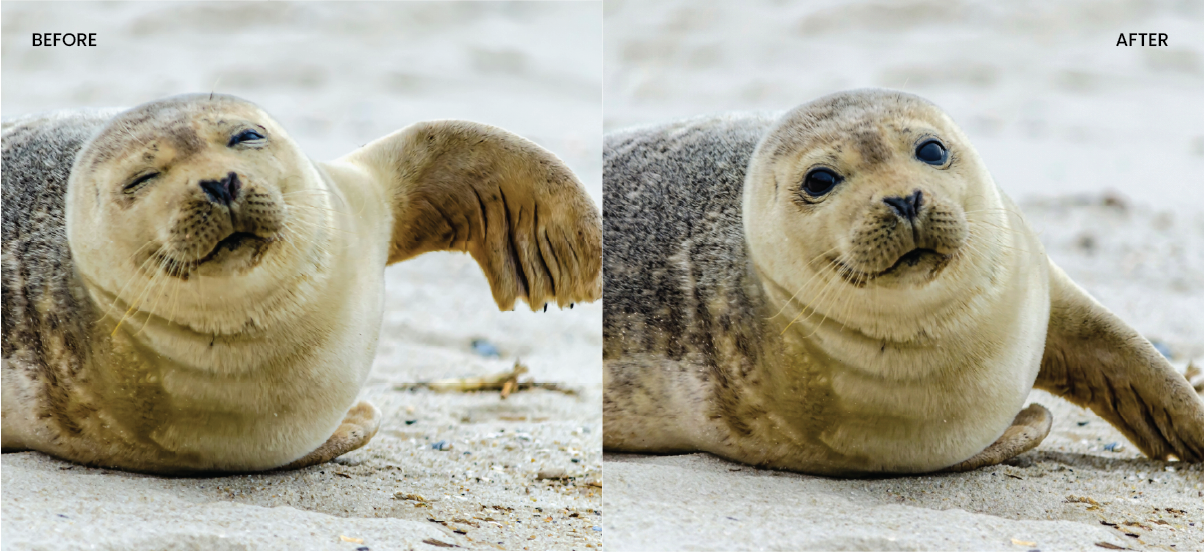
Throughout his rehabilitation, the aquarium regularly shares photos of Sam on social media. Some are perfect, while others need a little help. Maybe he's looking in the wrong direction, or the lighting isn't quite right. So, occasionally, the team turns to AI to make a few adjustments. Nothing dramatic, but perhaps Sam's spots shift slightly in one photograph, his muzzle appears shorter in another, or his eyes take on a slightly different shape.
Individually, these changes seem insignificant. But over time, Sam's followers are seeing a mixture of authentic photographs and AI-altered versions of him.
So which Sam are they getting to know?
Even if followers don't consciously notice these differences, could they subconsciously recognize something isn't quite right? Could these subtle inconsistencies prevent a deeper emotional connection from developing?
And when Sam's fundraising appeal arrives in their mailbox, could that affect the familiarity and empathy that might otherwise inspire them to donate?
We don't have definitive answers, but I think the question is worth asking.
If zoos and aquariums work so hard to help audiences recognize animals as individuals, shouldn't preserving that individuality be part of how we tell their stories?
Individuality Creates Opportunities for Empathy
One of the most powerful things zoos and aquariums can do is help people see animals as individuals rather than simply representatives of a species.
Research into human-animal relationships has explored how recognizing an animal's individuality can encourage empathy. When we begin to see an animal as an individual, with its own personality, behaviors, and story, we create an opportunity for emotional connection. That connection can spark curiosity, encourage learning, and potentially inspire people to care more deeply about the future of that species in the wild.
In Sam's case, his story might introduce someone to the challenges harbour seals face along our coastlines, the threats posed by marine debris, or the importance of protecting healthy marine ecosystems. Perhaps that person begins following other rescue stories, supporting conservation initiatives, or becoming more mindful of their own impact on the ocean. That's the opportunity behind so much of the storytelling happening at zoos, aquariums, and conservation organizations.
We introduce people to an individual animal, create opportunities for empathy, open the door to learning, and ultimately work toward inspiring conservation action.
And that's what makes the question of AI-altered imagery so interesting.
If we're spending so much time helping audiences recognize animals as individuals, should we be more careful about using tools that can unintentionally erase the characteristics that make them recognizable?
Where Do We Draw the Line?
I'm certainly not suggesting that AI has no place in zoo and aquarium marketing. There are incredible opportunities to use emerging technology to improve creative workflows, expand possibilities, and bring ambitious ideas to life. It's also worth recognizing that traditional photo editing can introduce its own inaccuracies. The responsibility to preserve an animal's identity doesn't disappear simply because we're using Photoshop instead of a generative AI tool.
But I think there's an important distinction between improving a photograph of an animal and changing the animal itself. Removing a distracting object from the background is one thing. Adjusting an animal's pose in a way that unintentionally changes its markings, proportions, or defining characteristics is another.
From a purely visual standpoint, the difference might seem insignificant, but these photographs aren't always just marketing assets. Sometimes they're part of a relationship that has been developing over months or even years.
They're how people recognize an animal they've visited, connect with a story they've been following, and continue engaging with an organization's conservation mission long after leaving its gates.
Perhaps the most interesting question isn't whether AI can create a better photograph. It's whether a “better-looking” photograph comes at the cost of the emotional connection we've worked so hard to build, particularly when the animal's defining characteristics have been altered.
Because when we're telling the story of an individual animal, perhaps the most valuable thing about the image isn't that it's perfect.
It's that it's unmistakably them.
